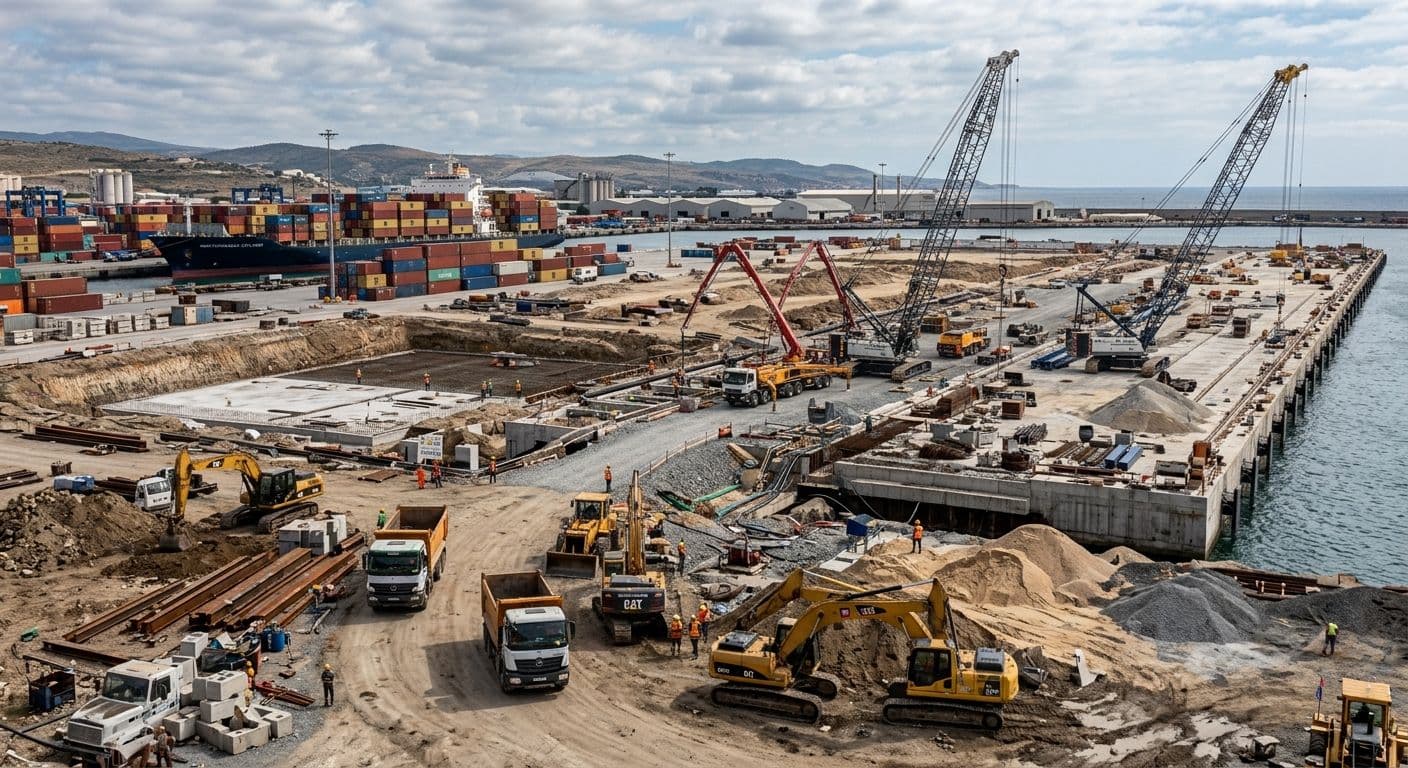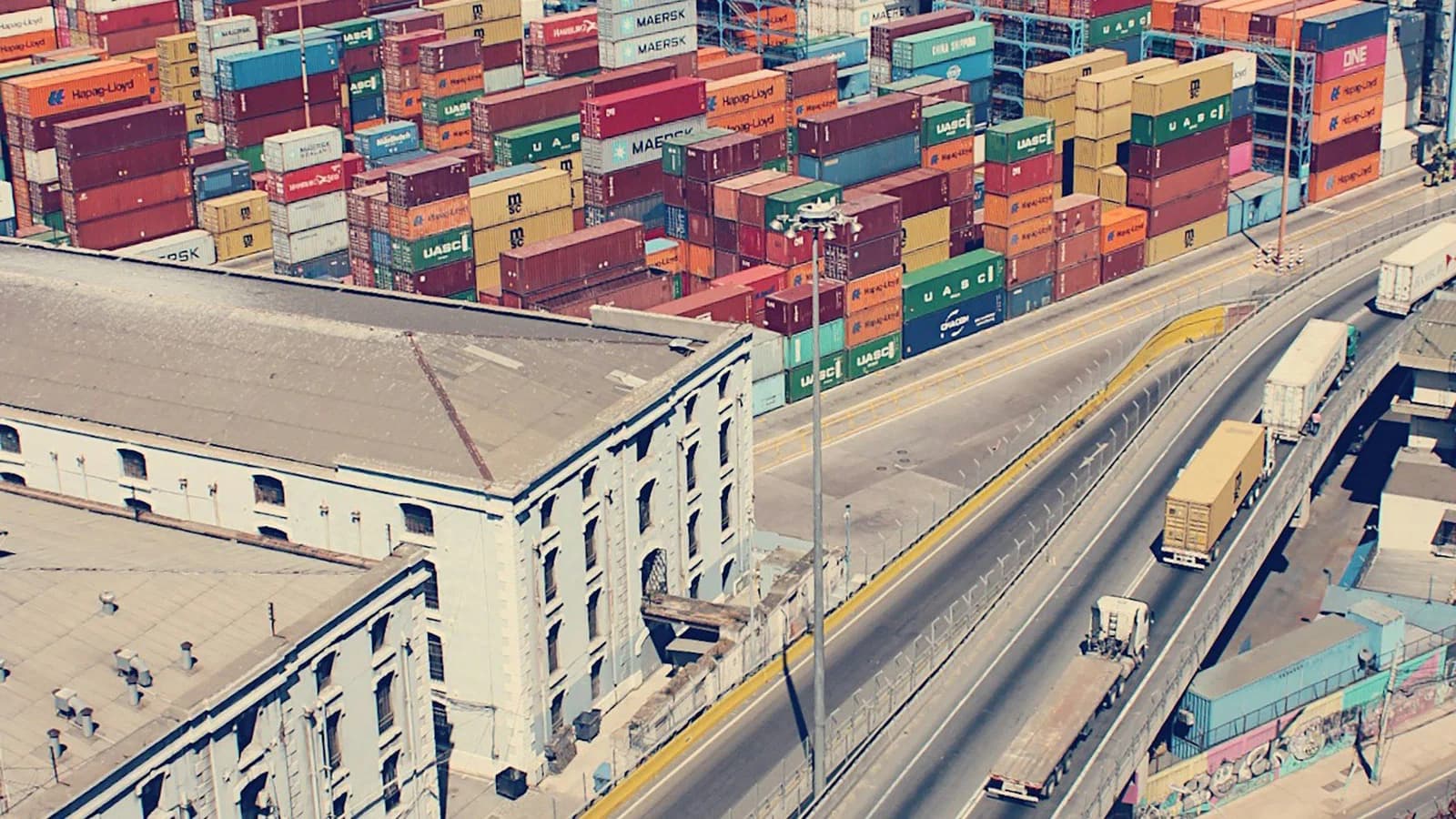

It is a little after 02:00 on the berth. A lashing crew is working the aft bays under sodium light, rain coming in sideways off the water. The gantry has landed a 40-foot box out of sequence and, to save a move, the signalman keeps the spreader loaded and hovering while the crew ducks underneath to release twistlocks on the row below. A suspended load, a moving crew, wet steel underfoot, and a vessel that sails on the morning tide.
A rigger three rows over sees it. He is not the supervisor. He is not on the operation's critical path. He has watched this same shortcut a hundred times end with nothing worse than a soaked coverall. And he has one decision to make in the next four seconds: raise his hand and stop the job, or look away and let the tide win.
Everything a serious HSSE program is built to do comes down to what that rigger does next. That is the reason stop work authority exists.
What is stop work authority
Stop work authority is the formally granted right, and the expressed obligation, of any worker to halt an activity they believe is unsafe, without needing permission and without fear of reprisal. The definition matters less than the principle underneath it: safety judgment is distributed, not reserved for the person with the highest job title on the berth.
The concept is not tied to a single regulator, and it should not be sold as one. It sits on top of the general duty every employer carries to provide a safe system of work. In the United States that duty lives in the OSHA General Duty Clause. In the European Union it is codified in the Framework Directive 89/391/EEC, which explicitly obliges employers to adapt work to the individual and gives workers the right to stop and leave in the event of serious and imminent danger. In the United Kingdom the Health and Safety at Work etc. Act 1974 places the same burden on employers and duties on employees. The International Labour Organization's occupational safety conventions frame it globally, and for port facilities the IMO's ISPS Code layers security-driven access control on top. A stop work authority policy is how a facility turns those legal duties into a right an individual can actually exercise at 02:00 without calling a lawyer.
The scope has to be unambiguous. Anyone can stop any job. A contractor can stop a terminal operation. A terminal hand can stop a vessel-side activity. A first-week inductee can stop a twenty-year veteran. If the authority is real, seniority does not enter into it.
Why stop work authority programs fail in practice
Most facilities already have the policy. It is in the induction deck, on a laminated card, on a poster by the muster point. And most of those programs are dead on paper. Four failures explain nearly all of it.
Fear of blame. The rigger's real calculation is not about physics, it is about consequences. If the last person who stopped a job got asked why they were "slowing things down," or got quietly moved off the good shifts, the whole workforce learned the lesson. A stop work authority program survives or dies on whether the first person to use it was thanked or punished.
Production pressure. A vessel on a berth window is a running meter. Everyone on the quay feels it, and everyone knows that a stop has a cost that lands immediately while the incident it prevented is only hypothetical. When leadership's spoken commitment to safety is contradicted by its visible reaction to a delay, the workforce believes the reaction.
No easy way to raise it. If exercising the authority means finding a supervisor, then finding a form, then filling in a triplicate card that goes into a drawer, the friction itself becomes the deterrent. People do not stop jobs when stopping is administratively expensive.
No follow-up. The stops that do happen vanish. Nobody logs the trigger, nobody fixes the underlying condition, and the same suspended-load shortcut is back the next night. When workers see that raising a concern changes nothing, they stop raising concerns. A stop work authority that does not close the loop trains people out of using it.
Building a stop work authority program people actually use
A program that works is not a longer policy document. It is a small number of things done consistently.
Visible leadership backing
The authority has to be granted from the top and demonstrated, not just declared. That means senior leadership publicly treating a stop as a good outcome, reviewing significant stops in the same forum they review operational performance, and never letting a berth-window delay generate a reprimand for someone who called a legitimate halt. The first real test case is watched by everyone.
A genuine no-blame culture
No-blame does not mean no-accountability. It means the person who stops the job is protected regardless of whether the hazard turns out to be as serious as they thought. Erring toward a stop has to be cheaper than erring toward silence. That protection has to be written into the stop work authority policy and, more importantly, honored the first time it is inconvenient.
Clear trigger criteria
"Stop if it feels unsafe" is a start, but people raise concerns more readily when the triggers are named: work under a suspended or unsecured load, a person in the swing path or under an active spreader, a permit condition that no longer holds, a guard or lock defeated, an energy source not isolated, weather beyond the operating envelope, an access breach into a restricted area. Concrete criteria give the hesitant worker permission and give the challenged supervisor a shared reference. This is where a stop work authority program connects directly to the risk assessment work that already defines the hazards for each task.
A fast, low-friction way to raise it
The mechanism has to be faster than the shortcut it interrupts. If it takes longer to log a stop than to keep working unsafely, the design has failed. The act of stopping should take seconds and the capture of it should be immediate, on the device already in the worker's hand, at the point of work.
Closing the loop
Every stop needs an owner, a corrective action, and a resolution that is recorded. The condition gets fixed, the fix gets verified, and the operation resumes on an explicit decision rather than because the pressure won. Stops that recur are a signal, and the data only exists if the loop is closed every time. This is the same discipline that makes near-miss reporting valuable rather than performative.
From paper card to digital suspension
The laminated card was a reasonable tool in 1995. It fails now because it captures nothing you can act on. A stop written on a card is invisible to everyone not standing on that berth, and it dies in a drawer.
Treating a stop as a tracked operational event changes what the authority is worth. When the rigger raises the halt, the suspension is logged at the point of work: what was stopped, why, where, and against which activity, contractor, or access. Stowlog's suspensions module is built for exactly that moment. The stop is captured in seconds, the right people are notified automatically instead of by whoever happens to have the supervisor's number, and the event carries through to resolution with an owner and a corrective action attached.
That does three things a paper card cannot. It lowers the friction of raising a stop, which is the single biggest lever on whether people use their authority at all. It makes the follow-up structural rather than optional, because the suspension stays open until it is resolved. And it produces evidence. When an auditor, an insurer, or a port state control officer asks how the facility responds to unsafe conditions, the answer is a record of stops raised, who acted, how fast, and how each one was closed, rather than an assurance that the culture is strong.
The same logic connects stop work authority to contractor control. A suspension that halts a contractor's activity should sit alongside the permit-to-work that authorized it and the digital induction that qualified their crew, so that stopping, re-briefing, and re-authorizing are one continuous chain rather than three disconnected paper trails.
Stop work authority in the port and terminal context
Port terminals are harder than most industrial sites because the authority has to cross organizational boundaries. On a single quay you have the terminal operator, the vessel's crew under the master's command, stevedores, lashing gangs, and any number of contractors, each with its own chain of command. A stop work authority program only works if it is genuinely portable across all of them: a terminal hand must be able to halt a vessel-interface operation, and a contractor must be able to halt a terminal move, without the boundary becoming an excuse.
The vessel-terminal interface is where this is tested. Cargo operations, mooring, bunkering, and simultaneous work on deck and quay create hazards that no single party fully controls, which is precisely why the authority to stop cannot be confined to one organization's staff. The interface has to be governed by a shared understanding that any competent person on either side can call a halt, and that the halt is respected until the condition is resolved jointly.
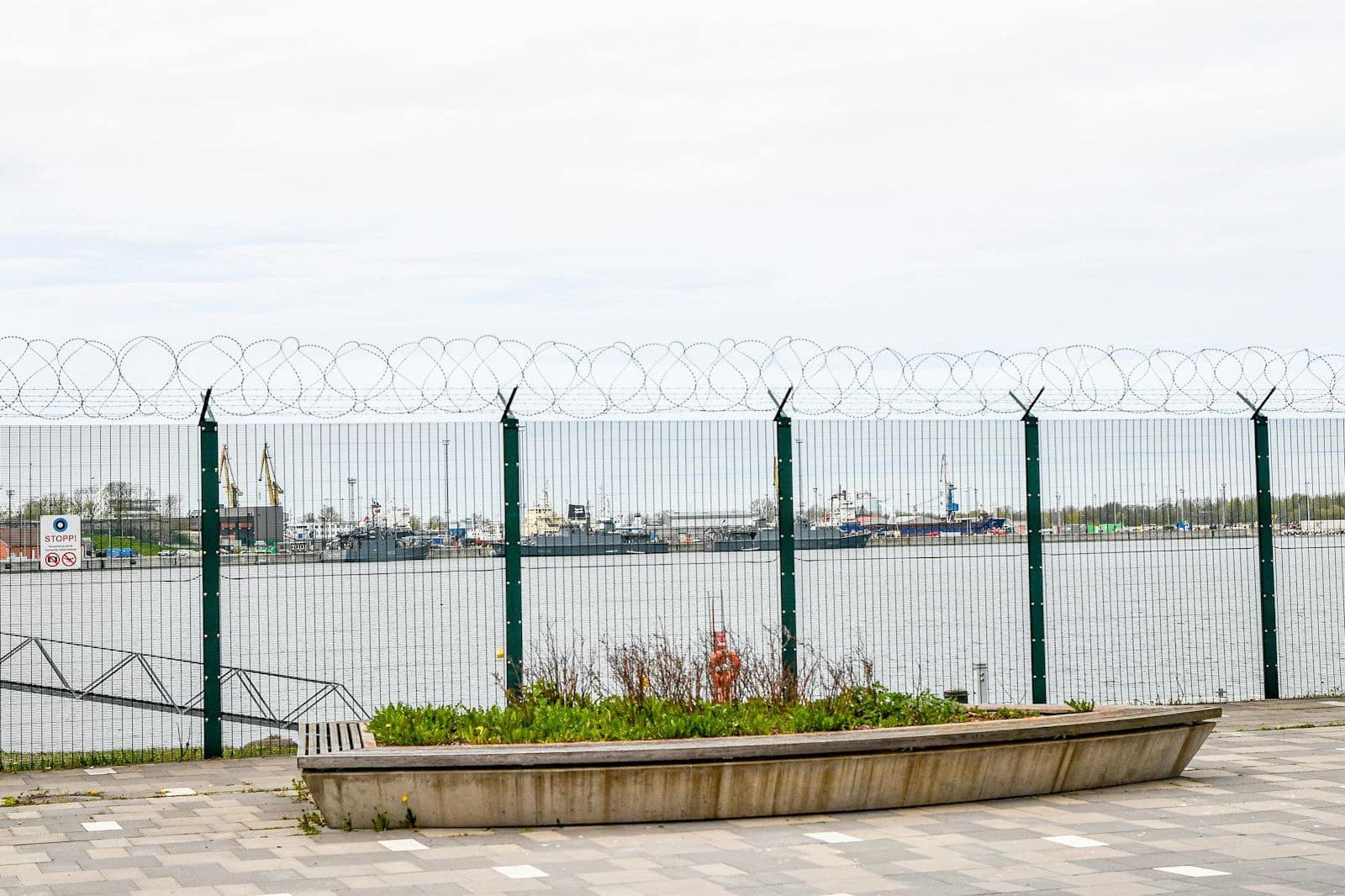
The ISPS Code adds a security dimension. Restricted areas, controlled access points, and the facility security plan mean a stop is not only a safety act but sometimes a security one: an unescorted person in a restricted zone, a breached access control, a contractor working outside their permitted area. A mature program treats an access breach as a valid trigger and routes it to the PFSO with the same speed it routes a suspended-load hazard to the operations desk. Broader context on how these obligations fit together sits in our port safety and HSSE guide.
Back on the berth at 02:00, the rigger raises his hand. The signalman lands the box, the crew steps clear, and the operation restarts thirty seconds later on a safe sequence. On a paper-card facility, that is where the story ends and nothing changes. On a facility that logs the suspension, tracks it to resolution, and reviews why an out-of-sequence load put a crew under a spreader in the first place, that thirty-second stop becomes the reason the same crew is not underneath it next week.
Stop work authority is not a poster. It is the moment someone decides they are allowed to act, and the system that makes sure the decision was worth making. If you want to see how a stop moves from a raised hand to a closed corrective action, look at how the suspensions module handles it end to end.