
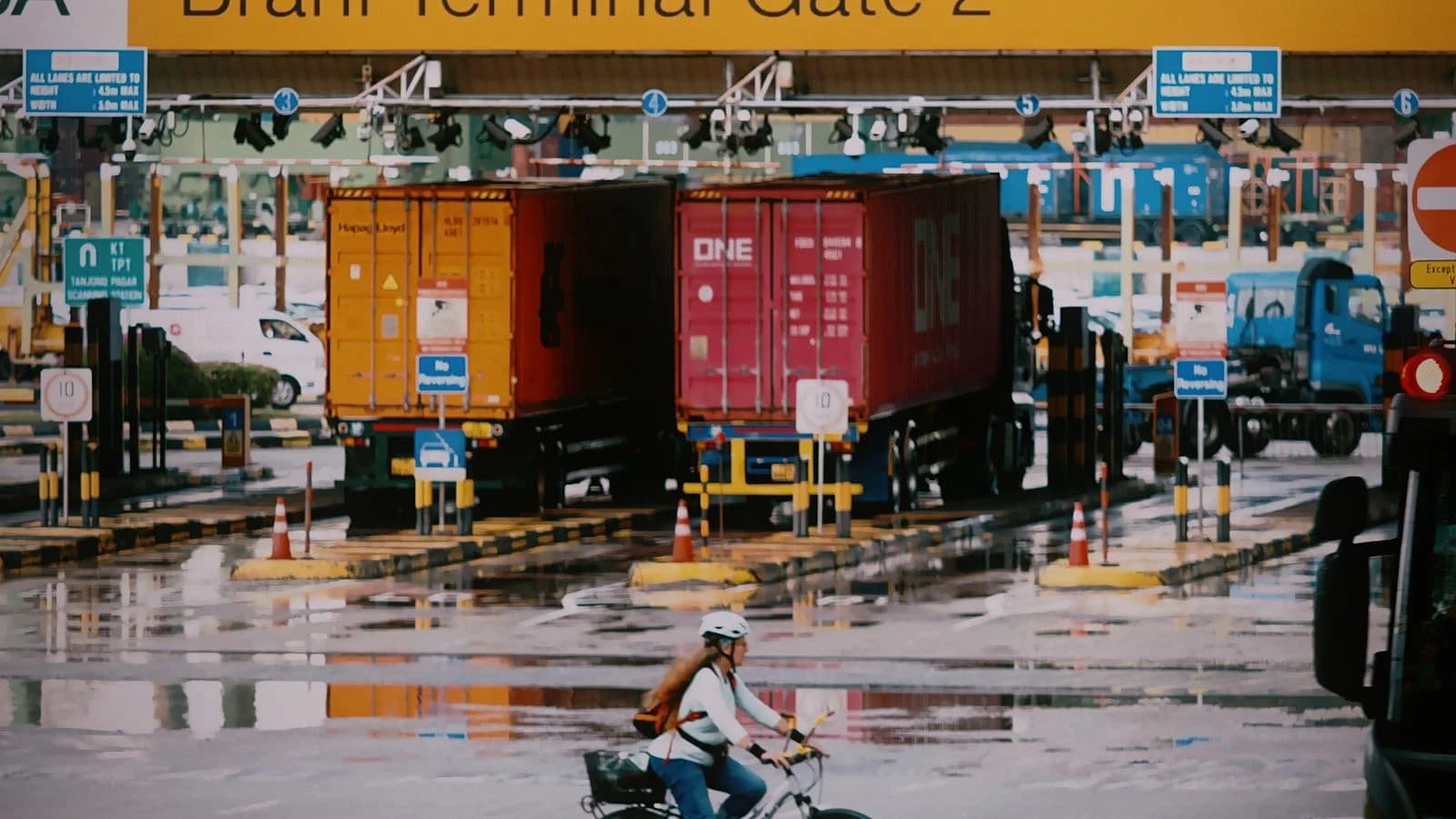
The queue at the gate does not care about your security policy. It is 06:40, three reefer trucks are idling behind a bulk tipper, a sub-contractor van is trying to reverse into the visitor lane, and a surveyor who nobody pre-registered is waving a delivery note at the guard through a closed window. The guard has one job in the next ninety seconds: decide who each of these people actually is, whether they are allowed past the line, and what they are allowed to touch once they are through. Everything a facility security plan promises comes down to whether that decision is made on evidence or on a nod.
That decision is identity verification. At a terminal gate it is a security control, not a reception courtesy, and treating it as paperwork is how facilities end up with people inside a restricted area that no system can name.
Identity at the gate is a control, not admin
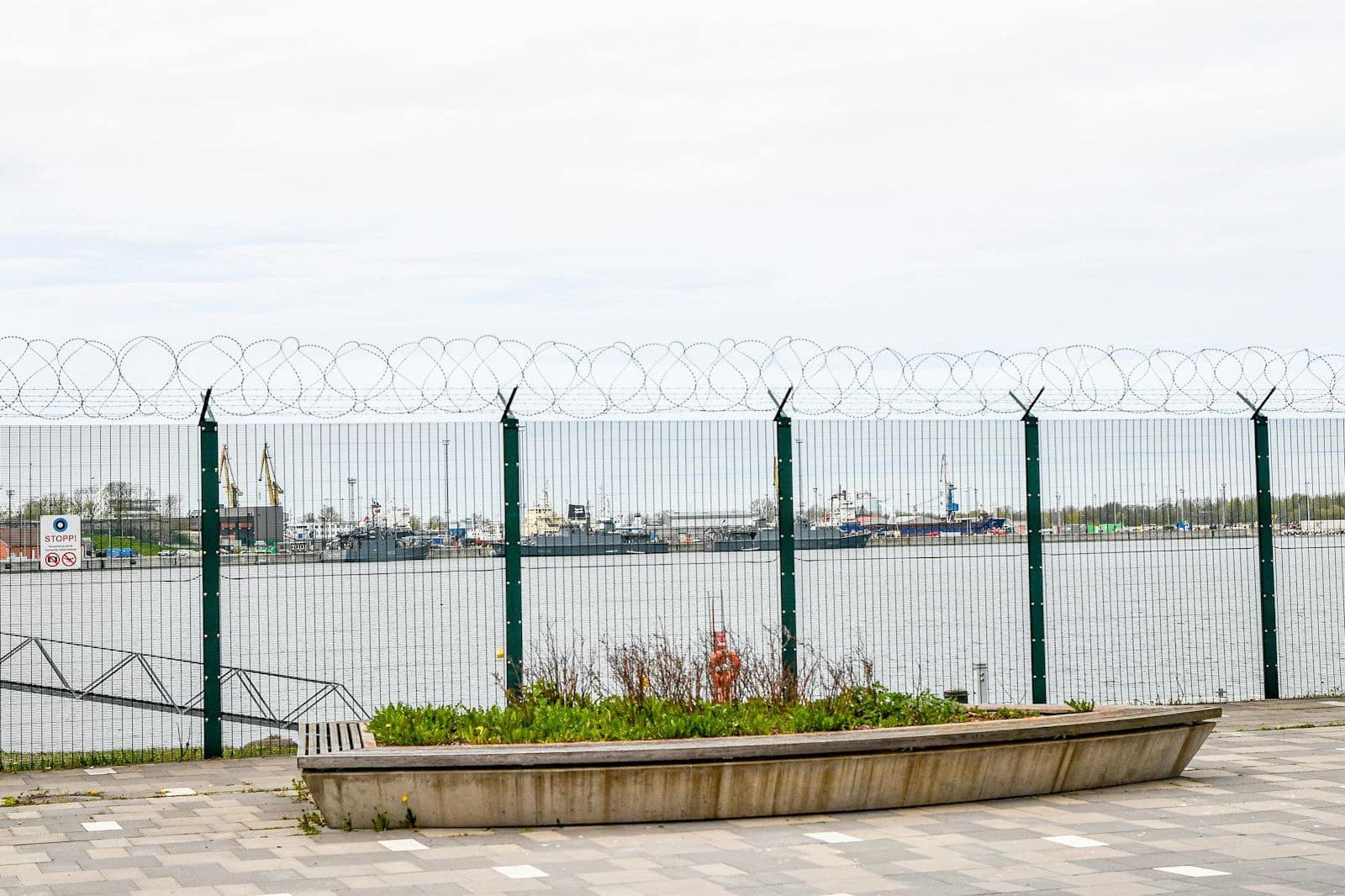
Under the IMO's International Ship and Port Facility Security (ISPS) Code, a port facility runs to an approved security plan that defines restricted areas and obliges the facility to control access to them, to know who is on site, and to be able to demonstrate that control at each security level. Identity verification is the mechanism that makes the restricted-area duty real. If you cannot establish who a person is at the boundary, every downstream control, escorting, zone segregation, evacuation accountability, collapses, because it all keys off an identity you never confirmed.
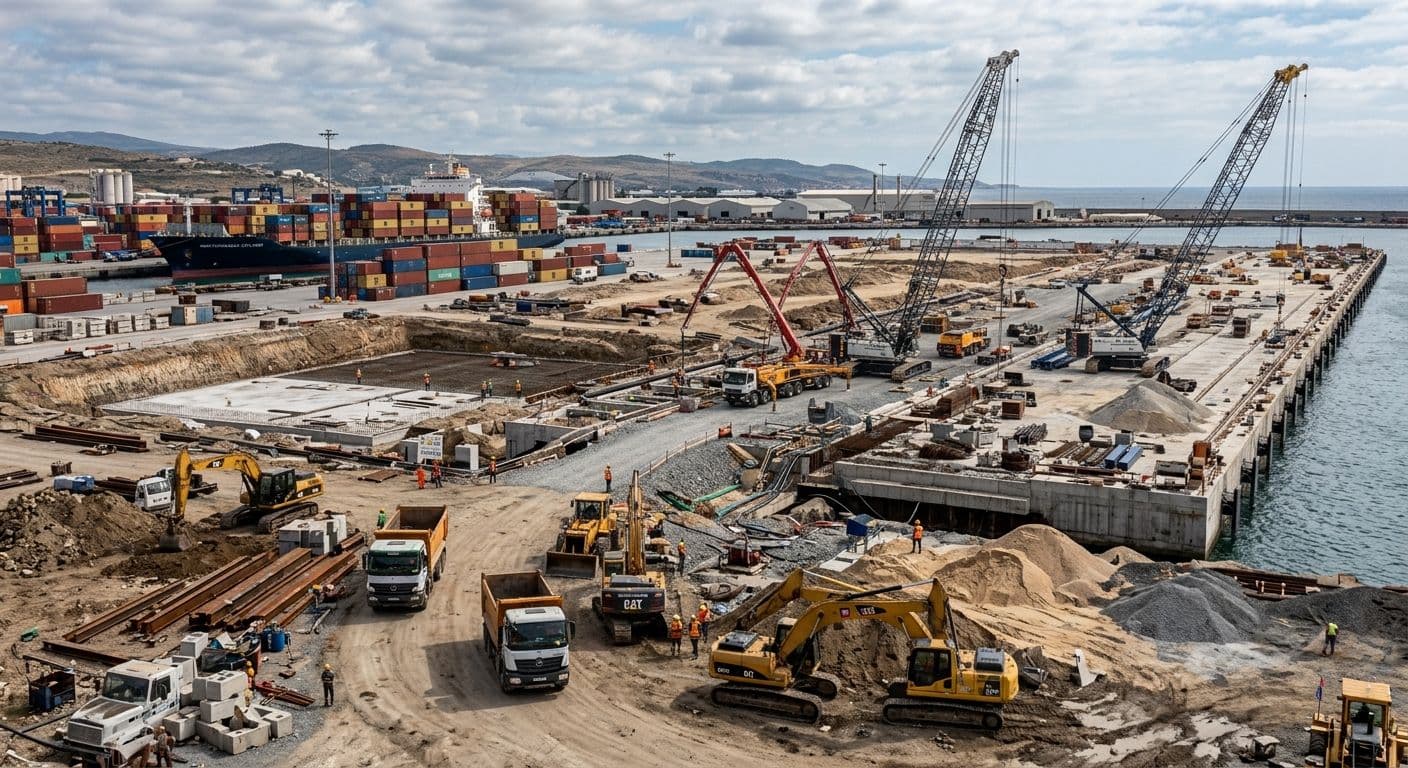
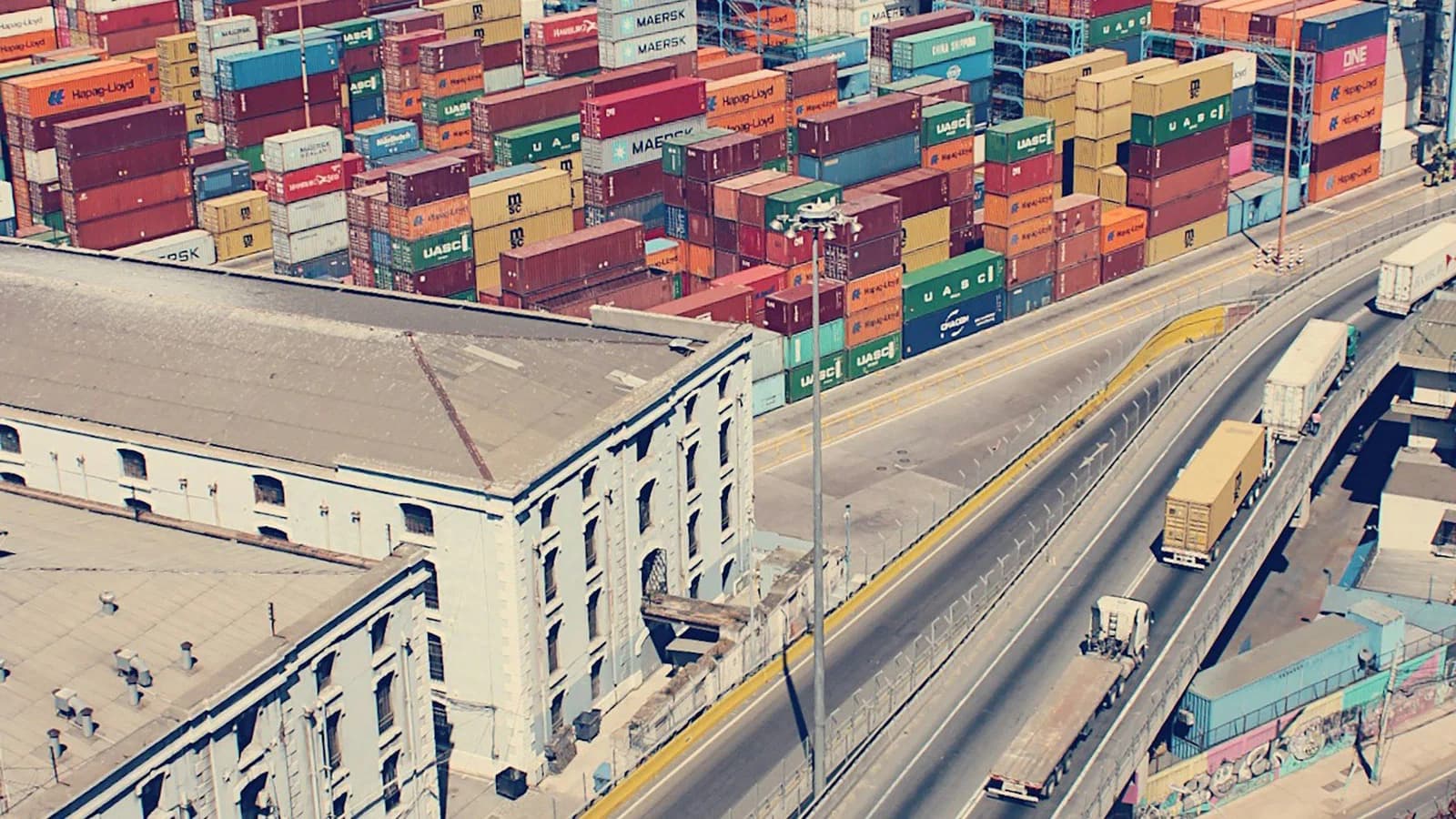
The population arriving at a terminal gate is nothing like an office lobby. On a normal shift a container terminal, bulk or liquid-bulk berth, RoRo or ferry ramp, cruise quay, intermodal yard, dry port, container depot, 3PL shed or refinery jetty processes a churning mix: the trucker and driver community collecting and dropping boxes, sub-contractors on maintenance and civils work, shipping agents, class surveyors and auditors, official visitors from the port authority or a customer, and vessel crew coming ashore. Most of them you have never seen before and will never see again. Some arrive pre-announced, many do not. The gate is the only place where all of them converge into one controllable line, which is exactly why the identity decision has to be finished there and not deferred to "someone inside will sort it out."
What you actually verify
Identity verification at the gate is not one check. It is a short stack of them, and skipping any layer leaves a hole an incident will find.
The first layer is the document itself: a government ID, passport, driver's licence or a facility-issued credential, checked that it is genuine, in date, and belongs to the person holding it. Visitor identity verification means matching the face to the document, not photographing a card and waving the van through. A digital gate can capture the document, read it, and hold the image against the visit record so the check is evidenced rather than remembered.
The second layer is screening. The named individual, and where relevant the carrier or company, is checked against the lists the facility is obligated or chooses to screen against: sanctions and denied-party lists, and any facility or port-authority watchlist of barred persons and vehicles. A digital visitor check-in runs that screening at the moment of registration instead of hoping a guard recognises a name.
The third layer is entitlement: does this person have the right to be here today, for this purpose, with this competency. That means confirming they are expected, that any required safety induction is current, and that they hold the credentials the work demands. Credential regimes are regional and you should treat them as multiple examples rather than one default. In the United States, unescorted access to secure areas of regulated maritime facilities runs on the Transportation Worker Identification Credential (TWIC). In the European Union, access to the port facility is governed under the ISPS framework as implemented by national port-security authorities and the facility's own approved plan. In the United Kingdom it is administered through the national maritime security regime and the facility's security plan. A verification process has to be able to read whichever credential applies at that location and record that it was checked, without assuming every gate on the planet issues the same card.
Only when identity, screening and entitlement all clear does the person earn the next step, which is a badge.
Badging: a badge is a permission, not a sticker
A visitor or contractor badge is the physical expression of what the gate just decided. Done properly, visitor badge printing is the moment abstract clearance becomes a wearable, enforceable permission that anyone on site can read at a glance.
A gate badge should carry, at minimum, the person's name and photo, the company they represent, the specific zones they are entitled to enter, an escort requirement if one applies, and a hard expiry. Colour and role coding does the heavy lifting here: a driver badge, a contractor badge, an auditor or official-visitor badge and a crew badge should be distinguishable across a yard so a supervisor forty metres away can see that the person on the wrong apron is a truck driver who has drifted out of the vehicle lane. Zone rights printed on the badge turn "authorised visitor" into "authorised for the workshop and the parking apron, nothing else," which is the difference between access control and a lanyard.
The expiry is not cosmetic. A time-bound badge that auto-expires at the end of the visit means access does not quietly outlive its reason. Visitor badge printing at the gate, tied to the visit record, gives every badge a start, an end and an owner, so a badge found on the ground is instantly matched to a person and a status rather than becoming an anonymous key to a restricted area.
The driver flow is its own problem
Truckers and drivers are the highest-volume, most time-sensitive population at the gate, and they are also the community whose image of the facility is set entirely by that gate. A slow, disorganised, suspicious-feeling gate becomes the facility's reputation in every cab and every driver forum in the region. A fast, orderly, obviously professional gate does the opposite. Identity verification and turnaround are not in tension here; the same digital process that makes the check rigorous is what makes it quick.
Pre-registration is the lever. When the haulier or the booking already carries the driver's identity, the vehicle details and the job reference before the truck arrives, the gate check collapses to confirming the person matches the pre-registered record and printing the badge. The screening ran ahead of time, the entitlement is already resolved, and the guard is confirming rather than investigating. That is what fast gate turnaround actually is: not skipping the checks, but front-loading them so the physical stop at the barrier is short. The trucker community reads that as respect for their time, and the facility gets a verified, evidenced entry for every box that moves.
Paper logbooks versus a digital gate
Plenty of terminals still run identity at the gate on a clipboard. The failure of the paper logbook is not that it is old-fashioned. It is that it cannot answer the two questions that matter most, at the two moments they get asked.
The first is the audit. When a port-authority inspector, a customer's security team or an ISPS verification asks the facility to demonstrate who accessed a restricted area last Tuesday, on what authority, screened against what, and when they left, a logbook gives you smeared handwriting and no evidence that any check was performed. A digital gate gives a queryable, time-stamped record per visit: document captured, screening result, credential verified, badge issued, zones granted, time in and time out.
The second is the emergency. When the alarm sounds and the muster is called, the only number that matters is how many people are inside right now and who they are. A paper logbook has no real-time headcount. It cannot tell you that seven contractors signed in and only five signed out, and it certainly cannot do it fast enough to make the evacuation safe. A digital port visitor management system that owns the badge lifecycle knows the live on-site population because it never lost track of a single check-in or check-out.
Where ID and badging connect to everything else
Identity verification and badging are the front door, and a front door is only worth building if it is wired to the rooms behind it. The gate decision should feed directly into the rest of the facility's HSSE controls rather than sitting in its own silo.
The obvious link is safety. A contractor should not clear the gate for site work if their safety induction is out of date, so induction status becomes one of the entitlement checks the badge depends on. For higher-risk contractor work the badge should tie to the relevant permit-to-work so that contractor control is not a separate paper trail but a continuation of the same identity you verified at the barrier. And once a badge is live, visitor geolocation lets the facility see that people are where their zone rights say they should be, which is how you catch the driver drifting onto the wrong apron before it becomes an incident rather than after.
That chain, identity verified, screened, entitled, badged, inducted, permitted, located, is what a defensible restricted-area regime looks like in practice, and it is exactly the duty the ISPS Code's access-control provisions put on the facility. Each link depends on the one before it, and they all depend on the gate getting identity right in the first ninety seconds.
Stowlog's visits-management module is built for that gate: it verifies identity, screens the person against the lists that matter, checks induction and credential status, and prints a time-bound, zone-coded badge that expires when the visit ends, with every step held as evidence you can produce for an audit or a muster. If your terminal is still running its restricted-area entry on a clipboard, the gate is where to start.