Why Port Safety and Security Can't Wait Until the Ribbon-Cutting
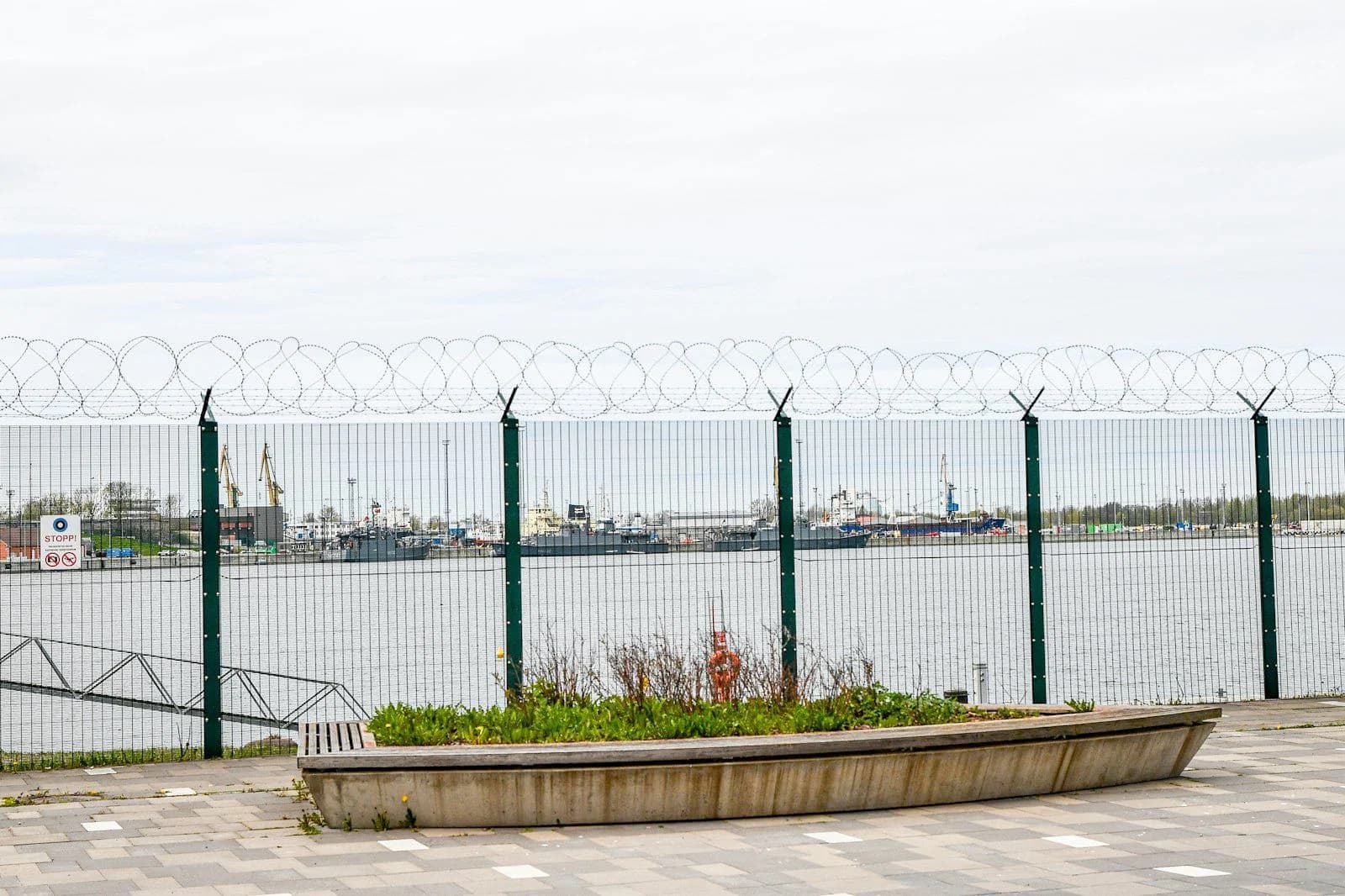
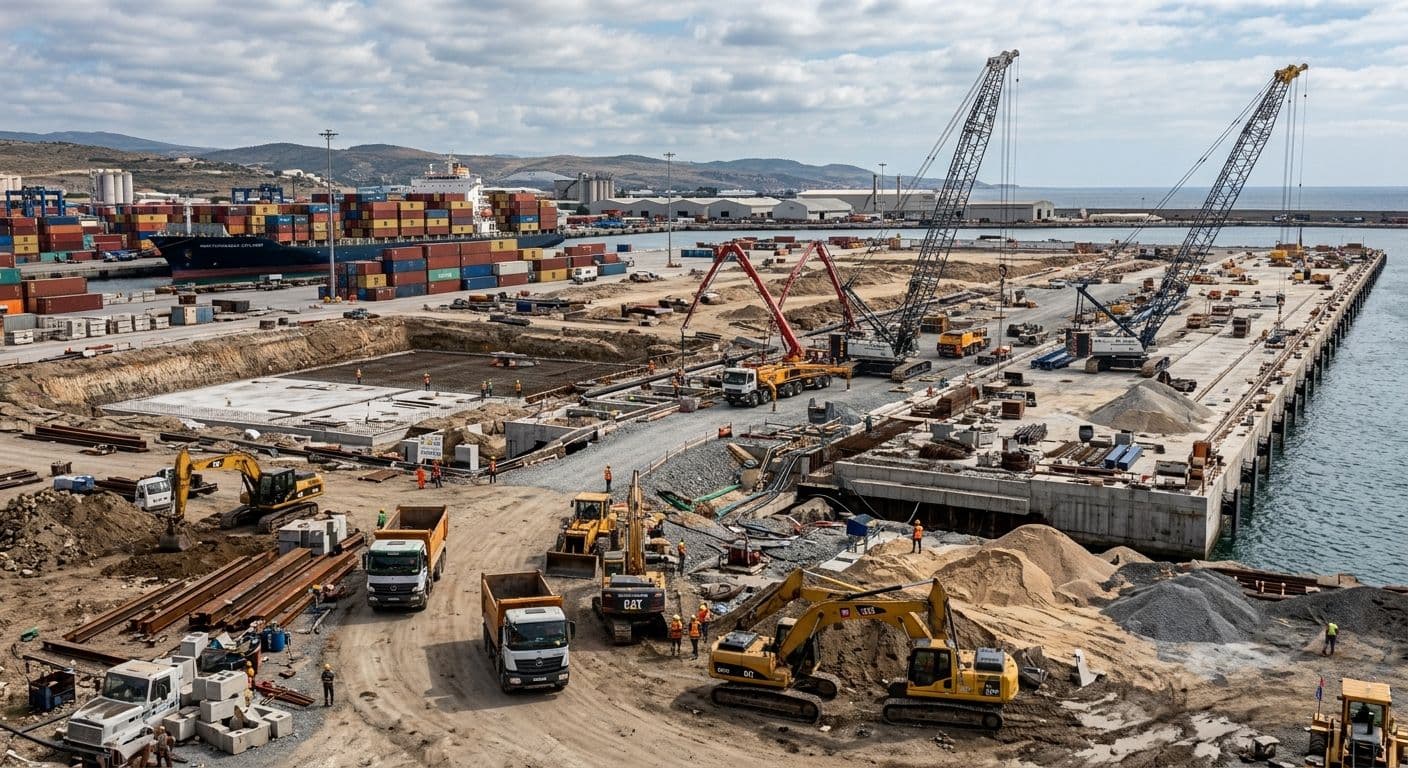
Every terminal construction or expansion project follows the same rhythm: engineering timelines, civil works schedules, equipment procurement — all planned down to the week. Safety and security processes, by contrast, are too often left for "later." A phase to figure out once the gates, fences and buildings are already standing.
That sequencing has a cost.
The infrastructure isn't the hard part
Physical infrastructure is, in many ways, the predictable part of a port project. Contractors, engineers and equipment vendors know how to build a gate, a fence line, or a control tower. What's much harder to retrofit after the fact is the operational layer that has to run through that infrastructure from day one: who is authorized to be where, how contractors are vetted before they set foot on-site, how visitors are logged, and how a terminal proves — to a regulator, an auditor, or its own leadership — that all of this was under control from the very first day of operations.
When safety and security processes are designed after construction is finished, facilities default to what's fastest to stand up: spreadsheets, paper logs, ad hoc sign-in sheets. These solutions are never meant to be permanent, but in practice, they often are — because once a terminal is operational, there's rarely a good moment to stop and rebuild the process from scratch.
Compliance requirements don't wait for operational maturity
International standards like the ISPS Code, along with the regulatory frameworks each port authority operates under, apply from the moment a facility opens — not after it has had time to mature its processes. A newly expanded terminal is expected to meet the same access control, contractor management and audit-readiness standards as one that has operated for twenty years.
This is where the gap becomes visible: a facility can be physically ready to receive cargo and traffic while still being operationally unprepared to prove who entered, when, and under what authorization. That gap is exactly where preventable incidents, audit findings and avoidable costs tend to concentrate.
Designing the operational layer alongside the physical one
The facilities that get this right treat safety and security digitalization as part of the project plan itself — not a separate initiative that starts once construction wraps up. In practice, that means defining, before opening day:
- How safety inductions will be delivered and tracked for every worker, contractor and visitor type expected to access the site.
- How contractor eligibility, documentation and permit-to-work processes will be verified and monitored on an ongoing basis.
- How visitor and vehicle access will be logged and controlled from the first gate that opens.
- How risk assessments will be structured so they reflect real operational data, not a static document filed away for the next audit.
None of this requires waiting for the facility to be "fully operational" to define. In fact, defining it in parallel with construction is what allows a terminal to open already compliant, rather than spending its first months of operation catching up.
This is precisely the kind of groundwork we help port authorities and terminal operators put in place during expansion and greenfield projects — before the first shift ever starts.
A rare kind of opportunity
Retrofitting safety and security processes onto an already-operational terminal is possible, but it's slower and more disruptive than building them in from the start — existing habits, informal workarounds and operational pressure all make change harder once a facility is running at full capacity.
A construction or expansion project is one of the few moments when a port or terminal can design these processes without any of that friction. It's an opportunity that doesn't come around often — and one that's far easier to take advantage of before the ribbon is cut than after.